Best Draught Excluders For Doors 2026
Roundup review
With energy prices remaining a key concern for UK households, sealing draughts is one of the most cost-effective ways to cut heating bills. We analysed over 30 different draught excluders, cross-referencing manufacturer specifications, material durability data, and thousands of public user reviews to identify the best options for every home. Based on its exceptional effectiveness, durability, and value, the Stormguard Heavy Duty Brush Seal is our top recommendation for most external doors in 2026.
Quick Comparison
Stormguard Brush Seal
- Highly effective seal
- Excellent durability
- Great value for money
The Woolly Mammoth
- No installation required
- Made from recycled materials
- Works on any floor type
Diall Twin Seal
- Seals both sides of the door
- Moves with the door
- Easy, tool-free fitting
Exitex E-Strip
- Extremely low cost
- Simple peel-and-stick install
- Ideal for door frames
Magflött Magnetic Cover
- Stops letterbox draughts
- Magnetic, silent operation
- Reduces junk mail visibility
The Best Draught Excluders For Doors
- Stormguard Heavy Duty Brush Seal - Best Overall
- The Woolly Mammoth Draught Cushion - Best for Renters
- Diall Twin Under-Door Seal - Best for Uneven Floors
- Exitex Self-Adhesive E-Strip - Best Budget Option
- Magflött Magnetic Letterbox Cover - Best for Letterboxes
Stormguard Heavy Duty Brush Seal
The Stormguard Heavy Duty Brush Seal is our top recommendation because it excels at the fundamentals. This is a classic, robust brush strip mounted in a durable aluminium carrier that you fix to the bottom of your door. It provides a near-perfect seal against draughts, dust, and even noise, making a noticeable difference to your home's comfort and energy consumption. While it requires cutting to size and screwing into place, the 5-minute installation is a small price to pay for a decade or more of reliable performance. It's the definition of a fit-and-forget solution that delivers tangible savings year after year.
Pros
- Creates a highly effective barrier against cold air
- Durable aluminium and polypropylene build lasts for years
- Excellent value for long-term energy savings
- Available in multiple finishes to match door hardware
Cons
- Requires tools (hacksaw, drill) for installation
- Can make a slight sweeping noise on hard floors
The Woolly Mammoth Draught Cushion
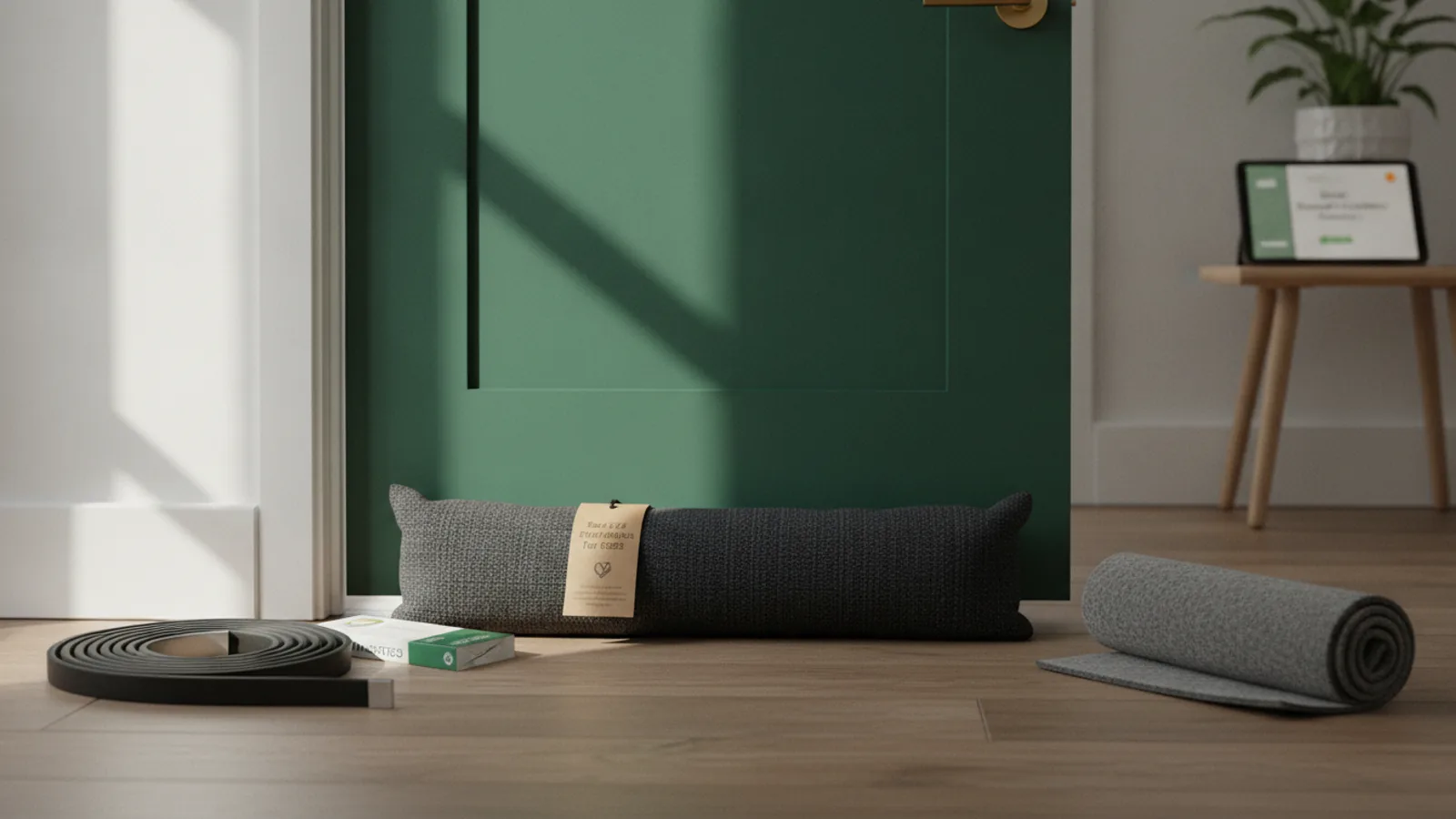
For those in rented accommodation or anyone seeking a zero-damage, zero-effort solution, The Woolly Mammoth Draught Cushion is the perfect choice. This weighted fabric tube, often filled with sustainable materials like recycled wool or buckwheat hulls, simply lies against the bottom of the door. There's no adhesive, no screws, and no commitment. While not as airtight as a fixed brush strip, it's remarkably effective at blocking the main flow of cold air under interior doors, between a cold hallway and a warm living room, for example. It's also a charming, traditional-looking product that adds a touch of cosy style.
Pros
- Absolutely no installation or tools needed
- Leaves no marks or damage on doors or floors
- Often made with sustainable and recycled materials
- Can be used on any interior door instantly
Cons
- Needs to be manually moved and repositioned
- Less effective than a fixed seal
- Can be a slight trip hazard if you're not used to it
Diall Twin Under-Door Seal
Older properties often come with characterful but frustratingly uneven floors, where a standard brush strip can leave gaps. The Diall Twin Under-Door Seal solves this problem brilliantly. This clever device features two foam tubes connected by a fabric sleeve that you slide underneath the door. It seals the gap on both the inside and outside simultaneously, moving with the door as it opens and closes. This design ensures a consistent seal even if the floor has slight dips or rises. It's tool-free, takes seconds to fit, and is particularly effective at stopping draughts that whistle through larger under-door gaps.
Pros
- Excellent performance on uneven or warped floors
- Seals both sides of the door for double protection
- Slides easily on most floor surfaces without snagging
- Simple to cut to size and install without tools
Cons
- Can be a tighter fit on doors with very small gaps
- Foam material may degrade faster than a brush strip
Exitex Self-Adhesive E-Strip
If you need to seal multiple doors and window frames on a shoestring budget, self-adhesive foam tape like the Exitex E-Strip is unbeatable. Sold in long rolls, this compressible foam strip has a peel-and-stick backing for instant application around the door frame (the jamb). When the door closes, the foam compresses to seal the gap between the door and the frame, stopping those irritating edge draughts. It's not designed for the bottom of the door, but it's an essential part of a whole-home draught-proofing strategy. While its adhesive backing may fail after a few years of temperature changes and use, its incredibly low cost makes it a justifiable and highly effective short-to-medium-term solution.
Pros
- Extremely affordable way to seal multiple door frames
- Incredibly simple to apply—just cut, peel, and stick
- Effectively seals gaps around the perimeter of the door
- Barely visible once installed
Cons
- Not as durable as rubber or brush seals
- Adhesive can lose strength over time, especially in damp areas
- Requires a clean, dry surface for proper adhesion
Magflött Magnetic Letterbox Cover
The humble letterbox is a major, often overlooked, source of heat loss. The Magflött Magnetic Cover is a superb modern solution to this problem. Unlike traditional brush-filled letterbox plates that can snag mail and wear out, this design uses a clever magnetic seal. The internal flap lifts easily for the postie but snaps securely shut afterwards, creating an excellent airtight seal. It's silent, requires no springs that can break, and effectively blocks 100% of letterbox draughts. Installation is straightforward, and its sleek design is a significant upgrade over older, less effective models. For anyone with a through-door letterbox, this is a must-have energy-saving upgrade.
Pros
- Creates a superior airtight seal compared to brushes
- Silent magnetic operation with no springs to fail
- Prevents prying eyes and can reduce junk mail intake
- Simple to install and fits most standard letterboxes
Cons
- Higher initial cost than a basic brush plate
- Requires careful measurement to ensure a good fit
Buying Guide: How to Choose The Best Draught Excluder
Stopping draughts is a low-cost, high-impact way to improve your home's energy efficiency. But with so many types available, choosing the right one can be confusing. This guide breaks down what you need to know to make a smart purchase.
Identify the Source of the Draught
Before you buy, find exactly where the cold air is coming from. The most common culprit is the gap under the front door, but don't forget other areas:
- Under the door: The largest and most obvious gap. Best tackled with brush strips, twin seals, or rubber flaps.
- Around the door frame: Gaps between the door and the frame cause persistent, whistling draughts. Self-adhesive foam or rubber strips are perfect for this.
- Through the letterbox: A gaping hole that lets cold air pour in. Needs a dedicated letterbox excluder.
- Through the keyhole: A small but surprisingly chilly draught source. A simple keyhole cover can solve this.
On a windy day, you can often feel the draughts with your hand. For a more precise method, you can use a smoking incense stick and watch where the smoke is blown.
Types of Draught Excluders Explained
Brush Strips
This is the most common and effective type for the bottom of doors. A dense row of polypropylene bristles is held in an aluminium or plastic carrier. They are durable, create a great seal, and can accommodate slightly uneven floors. They require cutting and screwing, but offer the best long-term performance.
Best for: External doors, high-traffic internal doors.
Rubber Blade/Flap Seals
Similar to brush strips, these use a flexible rubber flap to seal the gap. They can provide an even more airtight seal on very smooth, even floors. However, they can be noisier and may wear out faster than brush strips if they drag heavily on a rough surface.
Best for: Smooth, level floors where an airtight seal is paramount.
Under-Door (Twin) Seals
These consist of two foam or fabric tubes that slide under the door, sealing both sides. They are brilliant for renters as they require no fixing and are ideal for uneven floors. They move with the door, offering constant protection.
Best for: Renters, older properties, and internal doors.
Fabric "Sausage" Cushions
The traditional, low-tech solution. A weighted fabric tube that you place at the bottom of the door. It's non-permanent and easy to use but must be moved manually every time you use the door. They are best for blocking draughts from unused rooms or for internal doors overnight.
Best for: Low-traffic internal doors, temporary solutions.
Foam or Rubber Tape
These self-adhesive strips are for sealing the door frame (jamb), not the bottom of the door. You apply them to the frame where the door presses against it when closed. They are incredibly cheap and easy to install but have a shorter lifespan than other types.
Best for: Sealing the perimeter of door and window frames.
Letterbox & Keyhole Covers
These are specialised products designed to seal specific holes in your door. A letterbox excluder typically has brushes or a magnetically sealed flap. A keyhole cover is a small metal disc that swivels over the hole. Both are essential for a comprehensive draught-proofing job.
Best for: Any door with a letterbox or a traditional mortice lock keyhole.
What to Consider Before Buying
- Gap Size: Measure the gap you need to fill. Most products will list the maximum gap size they can effectively seal. A brush strip with longer bristles can cover a larger gap.
- Floor Surface: A brush strip works well on carpet and hard floors. A rubber flap is best on smooth floors. A twin seal glides easily over most surfaces.
- Installation: Are you comfortable using a hacksaw and a drill? If not, opt for a tool-free solution like an under-door seal or a fabric cushion.
- Durability: For a main entrance door, invest in a robust, high-quality product like a heavy-duty brush seal. For a rarely used spare room, a simple fabric excluder will suffice.
- Aesthetics: Draught excluders come in various colours and finishes. Choose one that matches your door and hardware for a seamless look.
Final Verdict: Best Draught Excluders For Doors
Draught-proofing is a simple, affordable DIY job that pays for itself through lower energy bills. After analysing the market for effectiveness, durability, and value, our top recommendation remains the Stormguard Heavy Duty Brush Seal.
It offers a near-perfect seal, is built to last for over a decade, and provides the best return on investment for tackling the most common source of draughts. While it requires a few minutes of installation, the long-term comfort and savings it provides are unmatched.
If you're renting or need a tool-free option, the Diall Twin Under-Door Seal is an excellent alternative that provides a fantastic seal on both sides of the door. Whatever your situation, sealing those gaps is a crucial step towards a warmer, more energy-efficient, and sustainable home.
Best Draught Excluders For Doors 2026 FAQ
Do draught excluders really save money on energy bills?
Yes, absolutely. According to the Energy Saving Trust, draught-proofing your home is one of the most effective ways to save energy and money. By preventing cold air from entering and warm air from escaping, your heating system doesn't have to work as hard to maintain a comfortable temperature. A typical household could save £50-£90 per year by comprehensively draught-proofing windows and doors.
Can I install a draught excluder myself?
Most draught excluders are designed for easy DIY installation. Self-adhesive tapes, under-door seals, and fabric cushions require no tools at all. Brush strips and letterbox covers typically require you to cut them to size with a small hacksaw and fix them with a few screws. It's a straightforward job for anyone comfortable with basic DIY tasks.
What is the most effective type of draught excluder?
For the gap under a door, a well-fitted brush strip or a high-quality rubber flap seal is generally the most effective, as it creates a continuous, reliable barrier. For the door frame, compression seals made from rubber or foam are most effective. The key is to choose the right type for the specific gap you are trying to seal.
How do I seal a door with a very large or uneven gap underneath?
For large or inconsistent gaps, often found in older homes, a twin under-door seal is a great option as it flexes to the floor's contours. Alternatively, you can use a brush strip with extra-long bristles. Some brush strips also have an adjustable or hinged carrier, allowing you to set the height perfectly to match the floor.
How often should I replace my draught excluder?
This depends on the type and quality. A robust aluminium brush strip can last for 10+ years. Self-adhesive foam tapes are the least durable and may need replacing every 2-3 years as the foam loses its springiness and the adhesive weakens. It's a good idea to check your seals each autumn and replace any that are flattened, cracked, or peeling away.


